Nº 04The NAMAA Dictionary
Saving and emergency funds
الادخار وصندوق الطوارئ
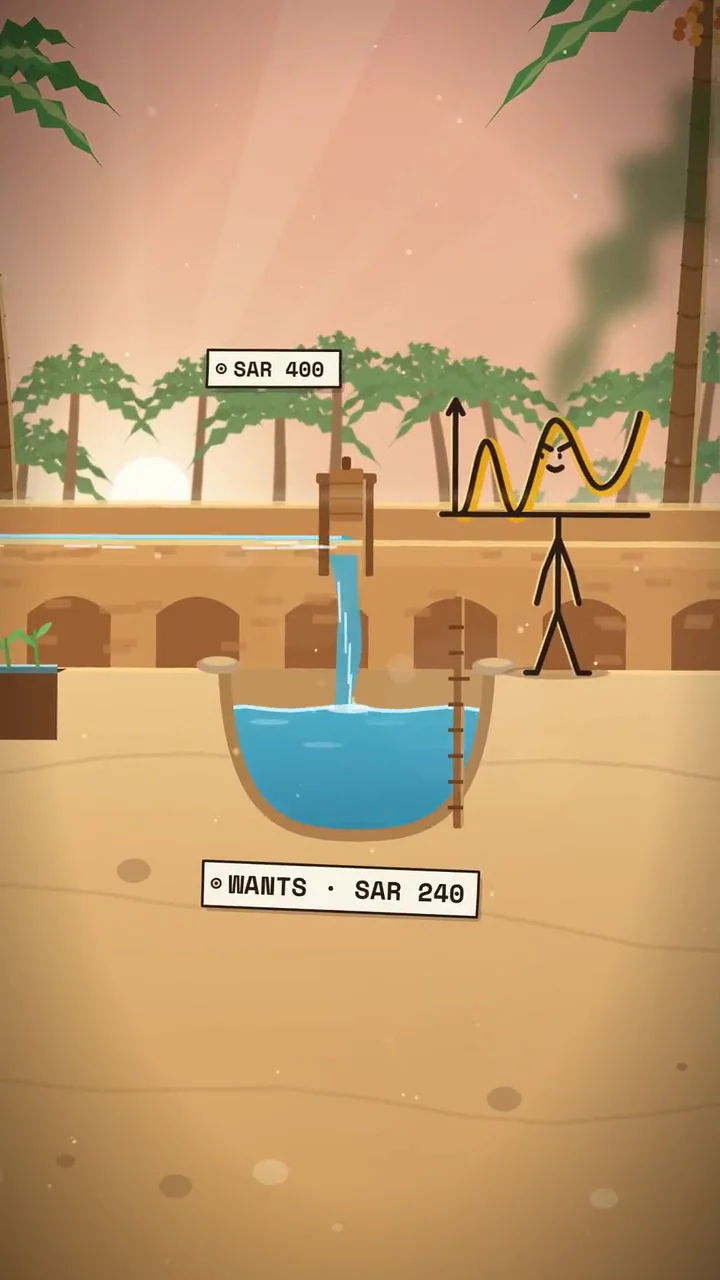
Saving is putting money aside for later; an emergency fund is savings kept only for surprises.
Nº 04قاموس نماء
الادخار وصندوق الطوارئ
Saving and emergency funds
الادخار أن تضع المال جانبًا لوقت لاحق؛ وصندوق الطوارئ مدخرات مخصصة للمفاجآت فقط.
الفيلم باللغة الإنجليزية.
What it means
Regular saving builds money for goals like a laptop or university costs. An emergency fund is a separate cushion for things you did not plan, like a broken phone, a medical bill or losing a job, so you do not have to borrow. Many guides suggest aiming for three to six months of essential costs, but the right amount depends on your situation, and even a small start helps.
Example
Putting SAR 50 a week into a separate account gives you SAR 2,600 in a year. When your laptop breaks before exams, you fix it from savings instead of borrowing from friends or using a pay-later app.
Myth vs reality
Myth I will save whatever is left at the end of the month.
Reality usually nothing is left, so save first (‘pay yourself first’) and spend what remains.
المعنى
الادخار المنتظم يبني مالًا لأهداف مثل لابتوب أو تكاليف الجامعة. أما صندوق الطوارئ فوسادة منفصلة لما لم تخطط له، كجوال مكسور أو فاتورة علاج أو فقدان عمل، حتى لا تضطر إلى الاقتراض. وتقترح أدلة كثيرة أن تستهدف ما يغطي من ثلاثة إلى ستة أشهر من النفقات الأساسية، لكن المبلغ المناسب يعتمد على وضعك، وحتى البداية الصغيرة تفيد.
مثال
وضع 50 ريالًا كل أسبوع في حساب منفصل يمنحك 2,600 ريال في سنة. وحين يتعطل اللابتوب قبل الاختبارات، تصلحه من مدخراتك بدلًا من الاقتراض من أصدقائك أو استخدام تطبيق «ادفع لاحقًا».
خرافة أم حقيقة
خرافة سأدّخر ما يتبقى في آخر الشهر.
حقيقة في الغالب لا يتبقى شيء، فادّخر أولًا («ادفع لنفسك أولًا») وأنفق ما يتبقى.